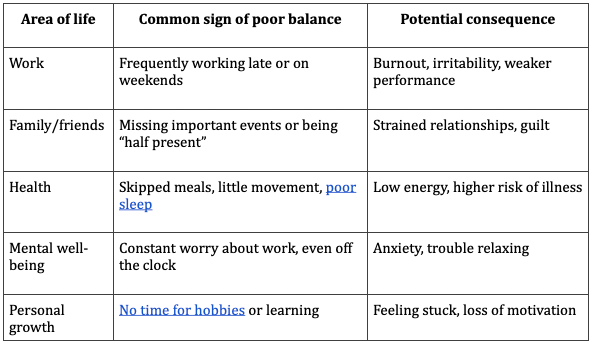
Use this as a mirror: if you see yourself in several columns, it’s a sign your balance needs attention—not a personal failure, just useful data.
Using Outsourcing to Protect Your Time
One underrated way to
maintain work-life balance is to get honest about what actually needs your touch and what doesn’t. Start by identifying the tasks that truly matter for your sense of meaning or for your income—maybe client calls, key creative work, or family activities. Those are the areas where your presence is non-negotiable. For everything else—bookkeeping, basic admin, house cleaning, certain errands—consider hiring help or using services if your budget allows. When you deliberately free up time from lower-impact tasks, you create more space for rest, relationships, and high-value work.
Straight Answers to Common Work-Life Questions (FAQ)
Q: Is work-life balance actually realistic, or just a buzzword?
A: It’s realistic, but not static. Balance shifts depending on your season of life—caring for a new baby, building a business, or supporting aging parents will all change your capacity. The key is staying aware and adjusting, rather than staying in crisis-mode by default.
Q: Do I have to work fewer hours to feel balanced?
A: Not always. Some people gain balance by working the same hours more intentionally: fewer distractions, better focus, and clearer end-of-day cutoffs. Others do need to reduce hours,
outsource some work-related tasks, or say no to extra responsibilities. The right answer depends on your limits and values.
Q: My job is demanding. Isn’t this just the price of success?
A: Short bursts of intense effort can be part of growth. But when “crunch time” becomes every week, performance often goes down, health suffers, and relationships strain. Sustainable success requires recovery, not endless hustle.
Q: How do I know if my balance is off?
A: Red flags include: feeling exhausted most days, snapping at people you care about, losing interest in things you used to enjoy, or constantly feeling like you’re failing both at work and at home.
Everyday Moves That Make Balance Easier
Here are practical shifts many people can start this week:
- Set a “hard stop” time for work at least three days a week.
- Turn off work notifications outside set hours or remove work apps from your personal phone.
- Use focused time blocks (e.g., 90 minutes of deep work,
then a real break).
- Protect one small daily ritual—a walk, reading, or dinner without phones.
- Schedule personal priorities (exercise, time with loved ones) into your calendar like meetings.
- Say “no” or “not this week” to optional commitments that don’t align with your goals.
These aren’t grand life overhauls. They’re small levers that create breathing room.
A Helpful Resource If You Want to Go Deeper
If you’d like more guidance and expert-backed tips,
the Cleveland Clinic has an accessible article called “8 Tips for Work-Life Balance” that explores boundaries, stress management, and practical ways to reclaim your non-working hours. It’s a clear, straightforward overview you can skim in a few minutes and then apply to your own situation.
Bringing Your Work and Life Back Into the Same Story
Work-life balance isn’t about perfection or rigid schedules; it’s about making sure your job doesn’t swallow the rest of your life. When you set boundaries, prioritize what matters most, and get help where you can, you gain more energy for both work and home. Over time, those small shifts reduce stress, protect your health, and make success feel more sustainable. You deserve a life where your work supports you, not one where it quietly takes over.